





Silver Price Predictions have seen significant fluctuations in recent years, and as we approach 2028, investors, industrial users, and analysts alike are paying close attention to what the future holds. The silver market is poised for potential growth, driven by structural shifts in demand, supply issues, and macroeconomic factors that could reshape the landscape. This article provides a comprehensive analysis of the factors affecting silver prices, detailed forecasts for 2028, and expert insights into why silver prices may rise sharply in the coming years.
The Road Ahead: Why Silver Prices Will Surge by 2028
Persistent Silver Supply Deficit: A Long-Term Concern
One of the most significant factors contributing to the potential increase in silver prices by 2028 is the persistent supply deficit. According to Metals Focus, the silver market has been experiencing supply shortfalls for years. In 2025, silver experienced a deficit of approximately 63.4 million ounces, and this trend is expected to continue in the coming years. The reason behind this is that around 70% of silver is produced as a by-product of mining other metals, like copper and lead. As a result, scaling silver production to meet the growing demand becomes a slow and challenging process. Additionally, the development of new silver mines takes decades, further exacerbating the supply crunch.
In 2026, the deficit is expected to narrow but remain substantial at 30.5 million ounces, which will continue to put upward pressure on prices. Silver’s supply woes, coupled with its rising demand, are likely to lead to a price increase by 2028, with many experts predicting a price surge beyond $80 per ounce.
Industrial Demand for Silver: The Solar and EV Boom
Silver plays a pivotal role in the development of new technologies, especially in solar energy and electric vehicles (EVs). In 2025 alone, the solar industry consumed 230 million ounces of silver, and this number is expected to surpass 300 million ounces annually by 2030. As governments and companies around the world push for greener energy solutions, the demand for silver is set to rise even more sharply.
The electric vehicle sector, which uses silver in the production of batteries and electrical components, is also a major driver of demand. Each electric vehicle typically uses 25-50 grams of silver, and with the EV market poised to grow exponentially, silver’s industrial usage is expected to skyrocket. In fact, silver’s critical role in renewable energy and electric vehicles has elevated it to the status of a strategic material, making it an increasingly valuable asset.
China’s Export Control on Silver: A Game-Changer
One of the most impactful developments in the silver market comes from China’s new export controls, set to begin on January 1, 2026. As the world’s largest producer and exporter of silver, China’s decision to implement strict export controls will have far-reaching effects on the global supply chain. By requiring government licenses for exports, China will significantly reduce the amount of silver available for international markets, creating supply shortages and driving up prices.
This move is not only important for electronics, defense, and AI industries—which are key consumers of silver—but also for global reserves. China’s action will elevate silver to the same strategic importance as rare earth metals, which are critical for modern technologies. As the supply of silver tightens, prices are expected to surge, particularly as industries scramble for access to this increasingly scarce resource.
Monetary and Geopolitical Factors: Safe Haven for Investors
Silver, like gold, has long been considered a safe-haven asset during times of economic and political uncertainty. The weakening dollar and low interest rates are factors that make silver an attractive investment option. Central banks, particularly in Russia and India, have been adding silver to their reserves as part of their strategy to hedge against inflation and currency devaluation. This investment demand is expected to remain strong as geopolitical tensions rise, further driving the price of silver upward.
In addition, exchange-traded funds (ETFs) that track silver are becoming increasingly popular. In 2025, ETF inflows into silver products surged by 18%, demonstrating that institutional investors are placing their bets on silver’s long-term value. With global debt levels rising and concerns about inflation persisting, the demand for silver as a monetary hedge will likely continue to increase, supporting higher prices as we approach 2028.
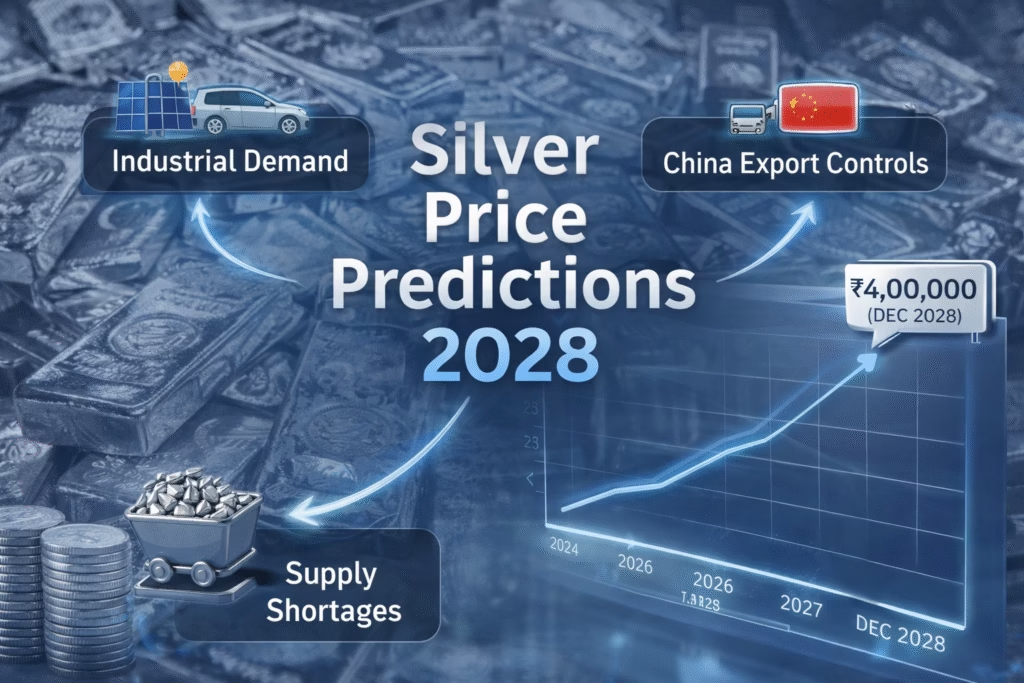
Silver Price Projections for 2028: What to Expect
The price of silver in 2028 is subject to numerous variables, but multiple sources have made forecasts based on their analysis of current trends. While the projections vary, there is consensus around the potential for substantial price increases.
Projections from Industry Experts
- EBC Financial Group expects silver prices to reach an average of $54–$64 per ounce in 2028, with a year-end target of $65–$78 per ounce. This projection is based on the continued supply deficits and rising industrial demand.
- XS.com, based on CME futures pricing, predicts silver prices to be around $66.61 per ounce by 2028, with further upside potential as demand from renewable energy and EV sectors continues to grow.
- InvestingHaven takes a more bullish stance, forecasting that silver prices could peak near $88 per ounce by 2028, driven by geopolitical risk and inflation concerns.
- LongForecast, which is known for its more volatile predictions, sees silver prices fluctuating between $100 and $120 per ounce by the end of 2028, suggesting that the market could experience periods of sharp volatility as it adjusts to the tightening supply.
These projections highlight a general consensus that silver prices will likely rise steadily, with the potential for substantial gains if supply disruptions and industrial demand continue to drive the market.
The Key Drivers Behind Silver’s Price Surge
1. Structural Supply Shortages
As mentioned earlier, the silver market is facing persistent supply shortages. This supply squeeze is caused by the fact that silver is mostly mined as a by-product, and the growth of new silver mines takes years. The resulting shortfall in production, paired with rising demand from various sectors, is expected to support higher silver prices through 2028 and beyond.
2. Industrial and Technological Demand
Silver’s critical role in industries like solar energy, electric vehicles, and 5G technology is a major factor behind the growing demand. As these industries expand, they will continue to consume increasing amounts of silver. The global push for renewable energy solutions and electric vehicle adoption will likely be key drivers in the next decade.
3. China’s Role in the Silver Market
China’s export controls on silver, effective January 2026, will disrupt the global supply chain, elevating silver’s value. With China being the world’s largest silver producer and exporter, this move will limit the availability of silver for international markets, leading to price hikes. Industries dependent on silver, including electronics, AI, and defense, will feel the pressure as they struggle to secure silver.
4. Silver as a Safe-Haven Investment
Amid global economic uncertainty, silver continues to be a preferred safe-haven investment. As the world faces rising inflation, debt, and geopolitical risks, investors are flocking to silver as a store of value. This trend is expected to continue, supporting higher silver prices in the years to come.
Investing in Silver: How to Maximize Returns in 2028
For investors looking to profit from the anticipated rise in silver prices, there are several strategies to consider:
1. Diversify Your Portfolio
While silver is a promising asset, it’s important to diversify your portfolio. Include other precious metals like gold and platinum, as well as equities in industries that rely on silver, such as solar energy and electric vehicles. Diversification will help mitigate the risks associated with silver’s inherent volatility.
2. Focus on Silver Futures and ETFs
For active traders, silver futures and ETFs are excellent ways to gain exposure to silver without physically owning the metal. Silver futures allow traders to speculate on the future price of silver, while silver ETFs provide an easy way to invest in silver without dealing with physical storage. Make sure to monitor CME futures pricing and silver ETFs closely for market signals.
3. Stay Informed About Geopolitical and Economic Developments
As geopolitical tensions and economic policy changes can significantly influence silver prices, it’s crucial to stay updated on these developments. Pay attention to trends in central bank policies, US dollar fluctuations, and global inflation rates, as these factors will impact silver’s investment appeal.
4. Consider Long-Term Holding Strategies
Given the structural supply deficits and long-term demand trends, silver presents a buy-and-hold investment opportunity. Investors who are patient and prepared to hold onto their positions for several years can potentially reap substantial rewards by 2028.
Conclusion: Silver’s Bright Future in 2028
As we approach 2028, silver is set to continue its upward trajectory, driven by strong demand, supply constraints, and investor interest. With China’s export controls further tightening the global supply, silver’s strategic importance is likely to increase, driving prices higher. Whether you are an investor looking to diversify your portfolio or an industry professional relying on silver for manufacturing, understanding these trends will be crucial in navigating the silver market in the coming years.